
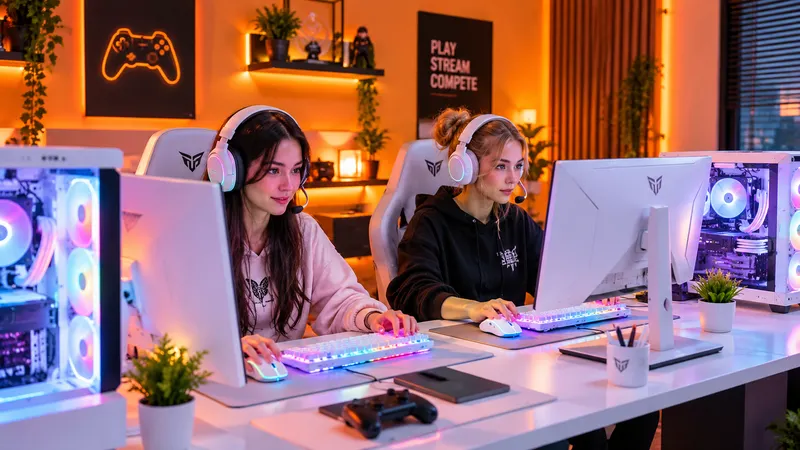
The gaming industry is developing rapidly, with new technologies changing how people play, compete, communicate, and enjoy digital entertainment. Modern gaming is no longer limited to playing on a computer or console. It now includes online competitions, live streaming, performance analytics, mobile applications, advanced hardware, and interactive communities. Understanding these developments helps players make better decisions and enjoy a smoother gaming experience.
Etruesports tech represents the connection between competitive gaming and modern technology. It covers the tools, systems, and digital innovations that support players, esports organizers, developers, and gaming audiences. From responsive gaming equipment to reliable online platforms, technology has become an important part of the esports environment.
This guide explores the main areas of gaming technology, explains how different tools work together, and highlights what players should consider when choosing equipment and digital services.
What Is ETrueSports Tech?
The term describes the technological side of esports and modern gaming. It includes hardware, software, internet infrastructure, gaming applications, streaming services, performance analysis, and tournament management systems.
These technologies have different purposes, but they work toward a common goal: making gaming more accessible, reliable, organized, and enjoyable.
For example, a competitive player needs a computer that can run a game smoothly, a stable internet connection, and responsive equipment. A tournament organizer needs registration tools, match schedules, communication systems, and reliable servers. Meanwhile, viewers need accessible broadcasts, updated scores, and useful match information.
All these elements contribute to the wider gaming ecosystem.
Why Technology Matters in Modern Gaming
Technology influences almost every stage of the gaming experience. It affects how games run, how players communicate, and how audiences follow competitions.
Here are some important reasons it matters:
- Better performance: Modern hardware can deliver smoother gameplay and improved visual quality.
- Reliable connections: Network improvements help reduce interruptions during online matches.
- Fair competitions: Tournament systems and monitoring tools can support consistent match conditions.
- Improved communication: Voice chat and team platforms make coordination easier.
- Better information: Statistics and match reports help players understand their performance.
- Wider accessibility: Digital platforms allow people to follow gaming events from different locations.
These benefits are useful for casual players as well as people who participate in organized esports competitions.
Gaming Hardware and Essential Equipment
Hardware is one of the most recognizable parts of gaming technology. The right equipment can make a setup more comfortable and help a game perform as expected. However, expensive equipment is not automatically the best choice for every player.
Gaming Computers and Processors
A gaming computer combines several components to run demanding applications. The processor handles general instructions, while the graphics card produces images and visual effects. Memory helps the system manage active applications, and storage affects loading times.
Before choosing a computer, consider the requirements of the games you actually play. A system designed for competitive multiplayer games may have different priorities from one used for video editing, streaming, or visually demanding titles.
Monitors and Display Quality
A monitor affects how clearly and smoothly a game appears. Resolution determines image detail, while refresh rate describes how frequently the display updates its image.
A higher refresh rate can make motion appear smoother when the computer can produce enough frames. Response time is another specification worth checking, particularly for fast-paced games.
Players should compare these features with their computer’s capabilities instead of choosing a monitor based on one impressive specification.
Keyboards, Mice, and Headsets
Gaming peripherals provide the main connection between players and their games.
- Keyboards should offer comfortable typing and dependable key responses.
- Mice should feel suitable for the player’s preferred grip and movement.
- Headsets should provide clear audio and comfortable everyday use.
- Controllers should be compatible with the intended platform.
Comfort, durability, compatibility, and price are important considerations when selecting peripherals.
Gaming Software and Digital Platforms
Hardware alone cannot support the entire gaming experience. Software manages game installations, updates, communication, account settings, and online interactions.
Gaming platforms may include desktop launchers, mobile applications, websites, community tools, and tournament management systems. Each serves a different purpose.
Some applications help players discover games and connect with friends. Others provide match schedules, competition announcements, performance information, or event notifications.
A useful platform should have a clear interface, understandable instructions, dependable performance, and appropriate privacy controls.
Internet Connectivity and Low-Latency Gaming
Online gaming depends on communication between a player’s device and remote servers. A stable connection is important because delays or interruptions can affect gameplay.
Latency refers to the time required for information to travel between devices and servers. High latency can make actions feel delayed, while unstable connections may cause sudden changes in responsiveness.
Players can improve their general network experience by:
- Using a reliable internet service.
- Keeping network equipment updated.
- Avoiding unnecessary downloads during important matches.
- Choosing a suitable connection location.
- Checking whether other applications are using significant bandwidth.
- Selecting a wired connection when practical.
Internet speed is not the only factor that matters. Connection stability, server distance, and network congestion can also influence performance.
Artificial Intelligence and Gaming Analytics
Artificial intelligence is becoming increasingly important across the gaming industry. Developers and esports organizations can use automated systems to process information, identify patterns, and support different activities.
One application is performance analysis. Statistics such as match results, accuracy, completion times, and team coordination can help players review their progress.
AI-supported systems may also assist with content recommendations, customer support, moderation, and unusual activity detection. However, automated decisions should be handled carefully, especially when they affect player accounts or competition results.
Human review remains valuable when a decision requires context or when an automated system may have made an error.
Streaming and the Esports Viewing Experience
Live streaming allows audiences to follow gaming competitions without attending a physical venue. It has also created opportunities for commentators, content creators, event organizers, and gaming communities.
A typical streaming setup may include:
- A computer capable of handling the game and broadcast software.
- A microphone for clear commentary.
- A camera when the creator wants to appear on screen.
- Recording or streaming software.
- A dependable internet connection.
- Suitable audio and video settings.
For larger competitions, organizers may use dedicated broadcasting equipment and additional technical staff.
Good production is not only about visual effects. Clear audio, readable scoreboards, accurate match information, and consistent stream quality are equally important.
Tournament Management and Competitive Gaming
Organizing an esports event requires more than selecting a game and inviting participants. Organizers must coordinate registration, schedules, competition rules, match results, and communication.
Digital tournament systems can make these responsibilities easier to manage.
| Technology | Main purpose | Benefit |
|---|---|---|
| Registration tools | Collect participant details | More organized sign-ups |
| Bracket software | Arrange match progress | Clear competition structure |
| Match servers | Host online games | Consistent match access |
| Scoreboards | Display results | Easier result tracking |
| Streaming software | Broadcast competitions | Better audience access |
| Communication tools | Share event information | Faster coordination |
Clear rules and reliable technical support are important for building trust. Organizers should explain competition formats, match schedules, eligibility requirements, and how participants can contact event staff.
Security and Privacy in Gaming Platforms
Online gaming platforms often involve user accounts, personal settings, messages, and other digital information. Protecting this information should be a priority.
Players should use strong, unique passwords and enable additional account verification when available. They should also review application permissions and avoid sharing private account information with unknown people.
Before installing an application, check its developer, official distribution source, privacy policy, and requested permissions.
Gaming platforms should provide understandable privacy information and reasonable account-protection measures. Players should be able to identify official announcements instead of relying on unfamiliar messages or suspicious downloads.
How to Choose the Right Gaming Technology
The best setup depends on individual needs. A casual player may need a dependable computer and comfortable accessories, while someone participating in organized competitions may also need specialized software and more advanced networking equipment.
The following checklist can help:
- Identify your purpose: Decide whether you mainly play casually, compete online, stream, or create gaming content.
- Check compatibility: Make sure your hardware and software support the games and applications you use.
- Set a realistic budget: Prioritize essential components before optional upgrades.
- Compare real specifications: Look beyond marketing claims and understand what each feature does.
- Consider comfort: Choose equipment that is suitable for regular use.
- Review security: Download software from trusted sources and protect your accounts.
- Check long-term value: Consider reliability, warranty coverage, and future compatibility.
A balanced setup is often more useful than spending money on features that do not match your actual requirements.
Future Developments in Gaming Technology
Gaming technology will continue to change as hardware, software, and internet infrastructure improve. Several developments are likely to influence the industry.
Cloud Gaming
Cloud gaming allows compatible games to run on remote servers while players receive the visual output through an internet connection. It may reduce the need for powerful local hardware, although the experience depends on connection quality and service availability.
Virtual and Augmented Reality
Virtual reality creates interactive digital environments, while augmented reality combines digital elements with the real world. These technologies may introduce new ways to experience games, training environments, and interactive entertainment.
Improved Data Analysis
More advanced analytical systems may help teams study match performance, identify patterns, and prepare for competitions. Clear data presentation will remain important so that players can understand the information.
Smarter Gaming Communities
Community platforms may introduce better moderation tools, personalized notifications, and more organized event features. These improvements could make it easier for players to find relevant discussions and participate in competitions.
Future developments will depend on affordability, accessibility, privacy, and whether new features provide genuine value.
Common Mistakes to Avoid When Choosing Gaming Technology
Even useful equipment can become a poor purchase when buyers focus on the wrong details. Some common mistakes include:
- Buying hardware without checking game requirements.
- Assuming that higher specifications always produce noticeable improvements.
- Ignoring comfort and build quality.
- Installing applications from unknown websites.
- Overlooking software and driver updates.
- Spending money on unnecessary accessories.
- Trusting product claims without checking reliable information.
Taking time to compare options can help players avoid unnecessary expenses and select technology that meets their needs.
Frequently Asked Questions
What does ETrueSports Tech mean?
It refers to the technology associated with modern gaming and esports, including computer hardware, gaming software, online infrastructure, streaming, analytics, and tournament tools.
Why is technology important in esports?
Technology supports reliable gameplay, organized competitions, player communication, match analysis, and live broadcasts. It also helps audiences follow events from different locations.
Which hardware is useful for gaming?
A suitable computer or console, compatible display, comfortable keyboard or controller, dependable mouse, and clear audio equipment can form a practical gaming setup.
Does internet speed affect online gaming?
Yes. A reliable connection is important, but speed is only one factor. Latency, stability, network congestion, and server distance also affect online performance.
How can players protect their gaming accounts?
Players should use unique passwords, enable additional verification where available, install applications from trusted sources, and avoid sharing private account details.
Is expensive gaming equipment always better?
No. The best choice depends on compatibility, comfort, performance requirements, durability, and budget. A balanced setup can be more useful than expensive equipment with unnecessary features.
Conclusion
Gaming technology has become a major part of modern digital entertainment. It supports everything from individual gameplay and online communication to professional competitions, live broadcasting, and performance analysis. Understanding the purpose of different tools helps players make informed decisions instead of following every new trend.
Etruesports tech highlights the relationship between technology and competitive gaming. By focusing on suitable hardware, reliable software, secure platforms, stable connectivity, and useful digital tools, players and organizers can create better gaming experiences. As the industry develops, practical knowledge and responsible technology choices will remain important for everyone involved in gaming and esports. For more details Visit Etruegames.