
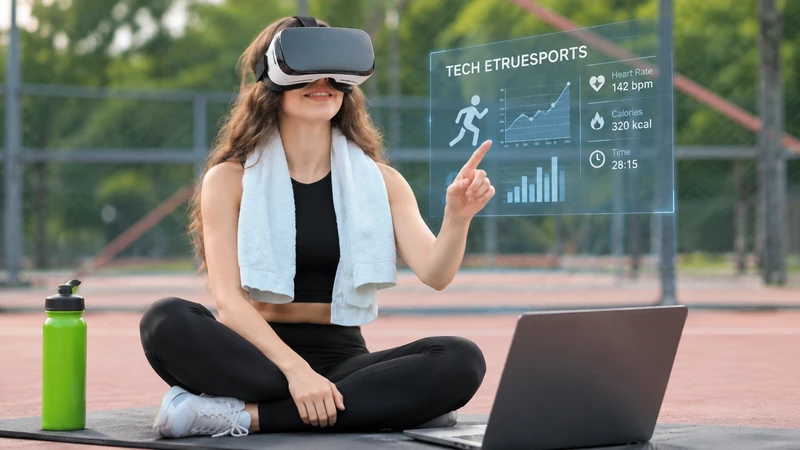
The gaming industry has changed significantly over the past few years. What once started as a form of entertainment has developed into a global competitive environment where players, teams, developers, and audiences connect through digital platforms. Modern competitions depend on more than gaming skills. They also require reliable equipment, fast internet connections, advanced software, accurate performance data, and effective broadcasting systems.
This is where tech etruesports becomes an interesting topic for gamers and technology enthusiasts. It represents the connection between modern technology and competitive gaming. From powerful computers and responsive monitors to artificial intelligence and online tournament platforms, technology influences almost every part of the esports experience.
Understanding these developments can help players make better equipment choices, help organizers manage competitions, and allow fans to enjoy matches with more information and better viewing experiences.
What Does Tech ETrueSports Mean?
The term describes the technologies, digital tools, and systems that support electronic sports. It covers the equipment used by competitors as well as the software and infrastructure that keep online and offline competitions running.
For example, a competitive gaming event may require dedicated servers, tournament management software, player statistics, communication tools, and live-streaming equipment. Each part has a different purpose, but all of them contribute to the overall experience.
This subject can be divided into several important areas:
- Gaming computers, consoles, and accessories
- Internet connectivity and server performance
- Matchmaking and tournament management
- Player statistics and performance analysis
- Live streaming and broadcast production
- Cybersecurity and account protection
- Artificial intelligence and other emerging technologies
These areas work together to make competitive gaming more organized, accessible, and enjoyable.
1. Gaming Hardware and Equipment
Hardware is one of the most visible parts of competitive gaming. Players interact directly with their devices, so equipment quality can influence comfort, responsiveness, and consistency.
A gaming computer generally depends on its processor, graphics card, memory, cooling system, and storage. Each component has a particular role. The processor handles general computing tasks, while the graphics card processes visual information. Sufficient memory helps the system manage games and other applications smoothly.
Monitors are also important. A display with a suitable refresh rate can provide smoother motion, particularly in fast-paced games. However, players should consider their actual needs instead of assuming that the most expensive monitor is always the best choice.
Other useful accessories include:
- Keyboard: Provides comfortable and consistent control.
- Mouse: Supports accurate movement and reliable input.
- Headset: Helps players hear game sounds and communicate with teammates.
- Controller: Offers an alternative control method for supported games.
- Microphone: Improves communication during team activities and streams.
A balanced setup is often more practical than spending the entire budget on one premium component. Stable performance, comfortable use, and compatibility should remain the main priorities.
2. Internet Speed, Servers, and Low Latency
A powerful computer cannot solve every online gaming problem. Network quality is another major factor, especially when players compete against opponents in different locations.
Latency refers to the time required for information to travel between a player’s device and a game server. High latency can create noticeable delays between an action and the game’s response. Packet loss, unstable connections, and server interruptions can also affect a match.
Organizers and developers use several methods to improve network reliability. These include selecting suitable server locations, monitoring network performance, maintaining server capacity, and testing systems before major events.
Players can also make sensible improvements. A reliable internet connection, updated network equipment, and a suitable connection setup can help reduce avoidable interruptions. For important competitions, organizers should test their network arrangements before participants arrive.
3. Performance Analytics and Player Development
Competitive gaming produces large amounts of information. A player’s accuracy, match results, movement patterns, objective activity, and team coordination can all provide useful performance insights.
Analytics tools help organize this information into reports that coaches and players can understand. Instead of relying entirely on memory, a team can review previous matches and identify areas that deserve attention.
For example, a team might discover that it regularly loses control of important areas on a particular map. Reviewing match data can help players understand when those problems occur and discuss possible improvements.
The official Tech ETrueSports website describes performance analytics and data-driven insights among its service areas. These concepts demonstrate how organized information can support team decisions and audience engagement.
Useful performance measurements may include:
| Performance Area | What It Can Show |
|---|---|
| Accuracy | How consistently a player hits intended targets |
| Match results | Wins, losses, and overall progress |
| Team coordination | How effectively teammates work together |
| Objective activity | Contribution to important match goals |
| Session records | Patterns across multiple practice sessions |
Statistics should be interpreted carefully. A single number rarely explains everything that happens during a match. Good analysis considers the game situation, team role, opponent strength, and other relevant details.
4. Artificial Intelligence in Competitive Gaming
Artificial intelligence is becoming an important part of the wider gaming industry. It can help developers, coaches, and organizers process information more efficiently.
In training environments, AI-supported tools may organize match recordings, highlight repeated patterns, or help summarize player statistics. These features can make reviewing large amounts of information easier.
AI can also support game development. Developers may use machine-learning techniques to test systems, examine player behavior, improve certain non-player character interactions, and identify technical issues.
However, AI-generated recommendations are not automatically correct. Coaches and developers still need to review results and consider the context behind them. Technology should support human judgment rather than replace it completely.
5. Streaming and the Esports Viewing Experience
Watching competitions is now an important part of gaming culture. Streaming services allow fans to follow tournaments from different locations without attending an event in person.
A professional broadcast may include multiple cameras, live commentary, match statistics, replays, graphics, and audience interaction. These elements help viewers understand the competition and follow important moments.
Broadcast quality depends on several technical factors. A stable internet connection, suitable encoding settings, reliable capture equipment, and properly managed audio all contribute to a smoother stream.
For smaller creators, a simple setup can be enough to begin. A capable computer, microphone, webcam if needed, and reliable connection provide a practical starting point. More advanced production equipment can be added as the channel develops.
The goal should be to make content clear and enjoyable rather than purchasing equipment that a creator does not yet need.
6. Gaming Applications and Digital Platforms
Gaming applications connect players with events, communities, updates, and other services. Depending on the platform, users may find tournament schedules, team information, match notifications, leaderboards, or community discussions.
A well-designed application should be easy to navigate. Important information should be accessible without making users move through unnecessary menus. Clear notifications and understandable settings can also improve the overall experience.
Platforms supporting competitive gaming may include features such as:
- Player registration and profile management
- Match schedules and tournament information
- Team communication
- Results and leaderboard updates
- Event announcements
- Community features
When choosing an application, users should check its developer, privacy information, permissions, and official download source. They should avoid unfamiliar files or websites that promise unrealistic rewards.
7. Online Security and Fair Competition
Security is essential because gaming accounts may contain personal information, purchase histories, messages, and saved progress. A compromised account can create problems for both players and platform operators.
Developers can improve protection through secure login systems, account verification, encrypted connections, and regular security updates. Anti-cheat systems also help organizers protect competitive fairness by identifying suspicious activity.
Players have a role in protecting their accounts as well. Using unique passwords, enabling available two-factor authentication, and avoiding suspicious links are sensible precautions.
Fair competition also requires transparent rules. Tournament organizers should explain eligibility requirements, match procedures, reporting methods, and how disputes will be reviewed. Clear policies help participants understand what is expected before an event begins.
8. Benefits for Players, Organizers, and Fans
Modern gaming technology supports different groups in different ways. Players can access training information and improved communication tools. Organizers can manage registrations, schedules, and results more efficiently. Fans can follow competitions through broadcasts, statistics, and community discussions.
| Group | Main Technology Benefits |
|---|---|
| Players | Training insights, reliable connections, and communication tools |
| Coaches | Match reviews, performance records, and team analysis |
| Organizers | Scheduling, registration, and event management |
| Fans | Live broadcasts, score updates, and match information |
| Developers | Testing tools, player feedback, and technical analytics |
These benefits are connected. Better event management can improve the player experience, while clear broadcasts and useful statistics can make competitions easier for fans to follow.
9. Challenges Facing Gaming Technology
Although technology creates many opportunities, it also introduces challenges. High-performance equipment can be expensive, and not every player has access to the same internet quality or hardware. This can create differences between competitors.
Technical problems are another concern. Server outages, software bugs, incompatible devices, and unexpected updates may interrupt competitions. Organizers need backup plans and testing procedures to reduce these risks.
Privacy also deserves attention. Gaming platforms should explain what information they collect and how it is used. Players should review privacy settings and share only the information required for a legitimate service.
Accessibility is equally important. Developers can make their products more inclusive by offering adjustable controls, readable interfaces, subtitles, and settings that accommodate different user needs.
10. The Future of Gaming and Esports Technology
The next stage of competitive gaming will likely involve improvements across several areas. Cloud technology may make certain games and services available on a wider range of devices. Better networking can support more reliable online competitions, while improved broadcasting tools may create richer viewing experiences.
Virtual reality and augmented reality could also introduce new ways to experience interactive entertainment. Their long-term role in esports will depend on comfort, affordability, game design, and whether competitive rules can support these experiences fairly.
Data analysis is likely to remain valuable as teams look for more effective ways to understand their performance. AI tools may make reviewing matches and organizing information easier, although responsible use and human oversight will remain important.
For anyone following tech etruesports, the most useful approach is to focus on practical developments rather than believing every new product or trend is essential. Technology should solve real problems and improve the experience for players, organizers, and viewers.
Practical Tips for Following Gaming Technology
You do not need to purchase expensive equipment or understand every technical detail to stay informed. A few simple habits can help you make better decisions.
- Follow trustworthy gaming and technology publications.
- Check official developer announcements before installing updates.
- Compare hardware specifications with your actual requirements.
- Read independent reviews before purchasing equipment.
- Keep gaming applications and operating systems updated.
- Protect accounts with strong passwords and available security features.
- Review tournament rules before joining a competition.
- Pay attention to accessibility, privacy, and fair-play policies.
These steps encourage informed decisions and help users avoid unnecessary spending or unreliable online offers.
Frequently Asked Questions
What is tech etruesports?
It refers to the relationship between modern technology and competitive gaming, including hardware, software, networking, analytics, streaming, and tournament systems.
Why is technology important in esports?
Technology supports reliable gameplay, fair competition, player communication, event management, and high-quality broadcasts.
Does competitive gaming require an expensive computer?
No. The right equipment depends on the game and its system requirements. A balanced device that runs the selected game reliably may be sufficient.
How does AI help esports teams?
AI-supported tools can help organize match data, identify patterns, and summarize performance information. Coaches should still review the results before making decisions.
What should players consider when choosing a gaming platform?
Players should check the platform’s reputation, official developer information, privacy policy, security features, compatibility, and available support.
Conclusion
Technology has become an essential part of modern competitive gaming. Hardware, networking, software, analytics, streaming, and security systems all contribute to how players compete and how audiences experience esports. Each development brings useful opportunities, but choosing the right tools requires careful research and an understanding of actual needs.
The wider world of tech etruesports shows that competitive gaming is about much more than playing a game. It is an evolving digital environment supported by people, platforms, and technical systems. As innovation continues, the most valuable improvements will be those that make competitions more reliable, accessible, secure, and enjoyable for everyone. For more details Visit Etruegames